When people ask me whether they should do a public speaking course or get private coaching, I used to have a very clear answer:
Do a course.
You don’t get better at public speaking by talking to one person — even if that person is a coach. Speaking in front of an audience is what helps you grow, and private coaching can’t fully replicate that.
For people who have few opportunities to speak — or who are actively avoiding them — my advice hasn’t changed.
A group course or Toastmasters club gives you a supportive audience to practice in front of, and that’s absolutely essential.
But over time, I’ve realised there’s another group who can benefit hugely from private coaching.
When private coaching makes sense
These are the people who already present regularly — maybe every month, or even every week — but dread it every single time. They’re in roles where speaking is unavoidable, often in leadership positions, and yet it feels like an ordeal rather than an opportunity.
They don’t need more “opportunities to speak.” They already have plenty. What they need is to change how they feel about those opportunities.
A few years ago, I had a phone call from the wife of a CEO. She wanted to know if I could help her husband, who suffered from intense public speaking anxiety. He never contacted me, but that conversation stuck with me. It made me realise how many senior leaders carry this secret fear.
It’s not a lack of ability. It’s a mix of self-doubt, high expectations, and the constant pressure to perform.
How I work with clients one-on-one
These days, I work with leaders and aspiring leaders who experience this exact problem — professionals who have to speak, but who find it deeply uncomfortable.
My coaching is highly individualised and typically runs over three months or more, because that’s what it takes to create lasting change.
We start by unpacking what’s really going on:
- What situations trigger your anxiety?
- How does it show up — mentally, physically, emotionally?
- What are the stories you tell yourself about public speaking?
We then work on mindset — the beliefs and patterns that feed your anxiety.
We explore how to prepare (without overpreparing), what to do when panic starts to rise, and how to quieten that inner critic that insists you’re not good enough.
Of course, we also cover the practical side: how to craft and deliver engaging presentations. We work on storytelling, body language, eye contact, pacing, and avoiding death by PowerPoint!
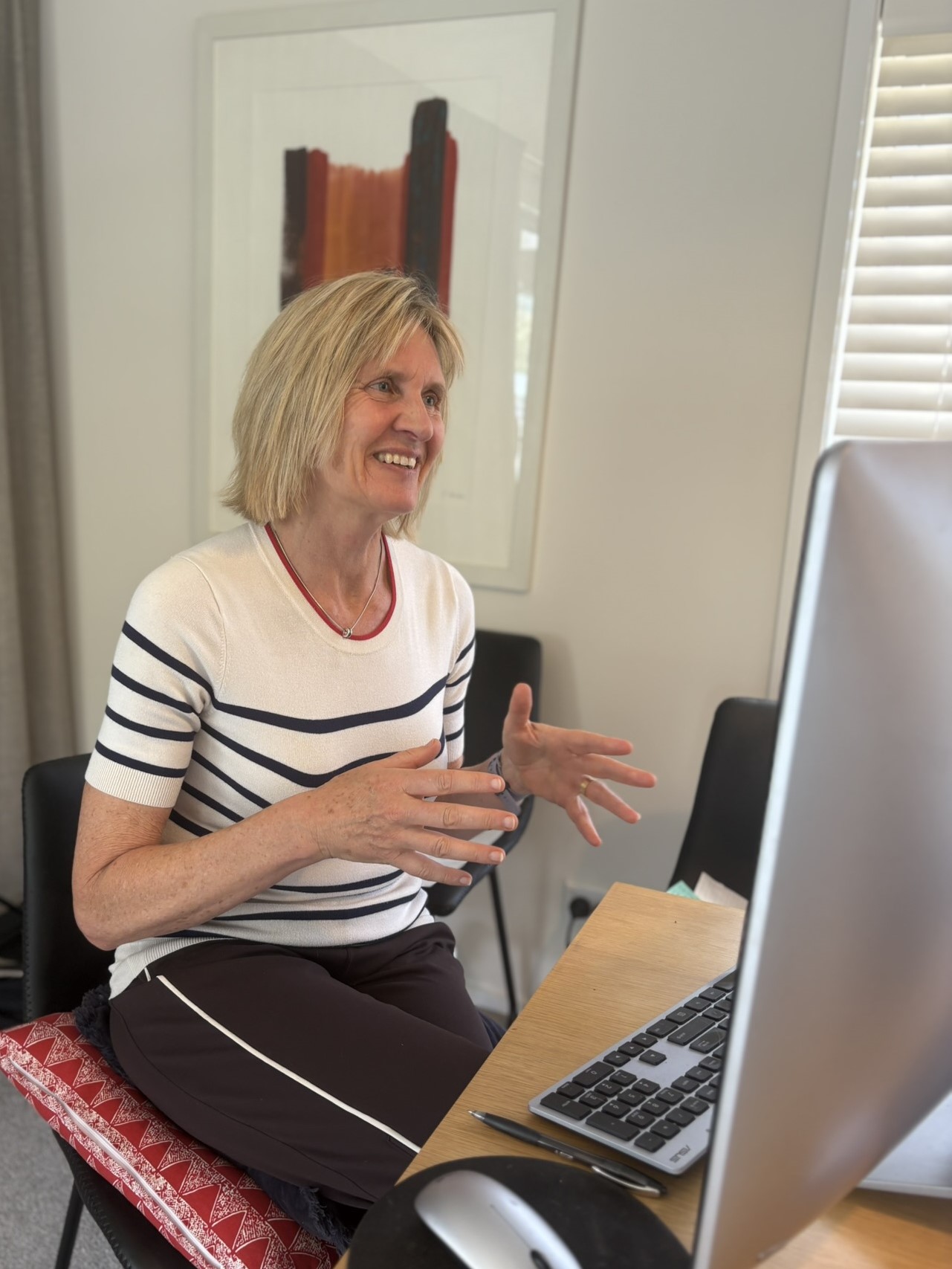
And yes, you’ll practice with me — running through real presentations, refining the content and delivery, and getting detailed, supportive feedback. While I can’t replicate your exact audience, I can absolutely help you perform at your best in front of them.
Who I help (and who I don’t)
I’m very clear about my niche.
If you’re already a confident presenter who wants to move from good to outstanding, I could help — but there are other coaches who specialise in that.
If, however, you suffer from public speaking anxiety and want to become calmer, more confident, and more effective — that’s my sweet spot.
I’ve been there myself. I know what it feels like to dread standing up in front of people. And after years of personal experience and coaching hundreds of clients, I’ve developed an approach that truly works.
Why I’m sharing this
I don’t usually write promotional blog posts. Out of more than seventy articles on my website, almost all are educational — written to help anyone, anywhere, who struggles with public speaking anxiety.
But this one’s different. I’m writing it because I genuinely believe in what I do, and I know there are people out there — maybe even you — who are suffering in silence when they don’t have to.
If that’s you, let’s talk. I offer a free 30-minute consultation where we can explore what’s happening for you and whether I’m the right person to help.
You can contact me here to book a time.
And if you’re simply weighing up whether to do a course or private coaching, I hope this post has helped you figure out what’s right for you.
Because whether you start in a group or one-on-one, the most important thing is this:
Don’t let fear make your decisions for you.
You can become a confident speaker — and it starts with taking that first step.
